
A HANDS ON STUDENT PROJECT
Under the umbrella of MAKE Projects in the EPFL, the EPFL Racing Team is among the biggest scale projects made on campus. For the members of the team, Formula Student is an excellent way to put into practice everything learned in theoretical courses during the many semesters of their university careers. These students are either designing systems from scratch or improving systems tested on previous cars. From software to hardware, each part is made to perform best on track. These single seaters being composed of numerous complex interconnected systems, this project is highly interdisciplinary and brings students from many engineering specialties together. By the end of their experience as part of the EPFL Racing Team, every member gains key practical and theoretical skills through building the engineering marvels that these race cars are!
SIRIUS
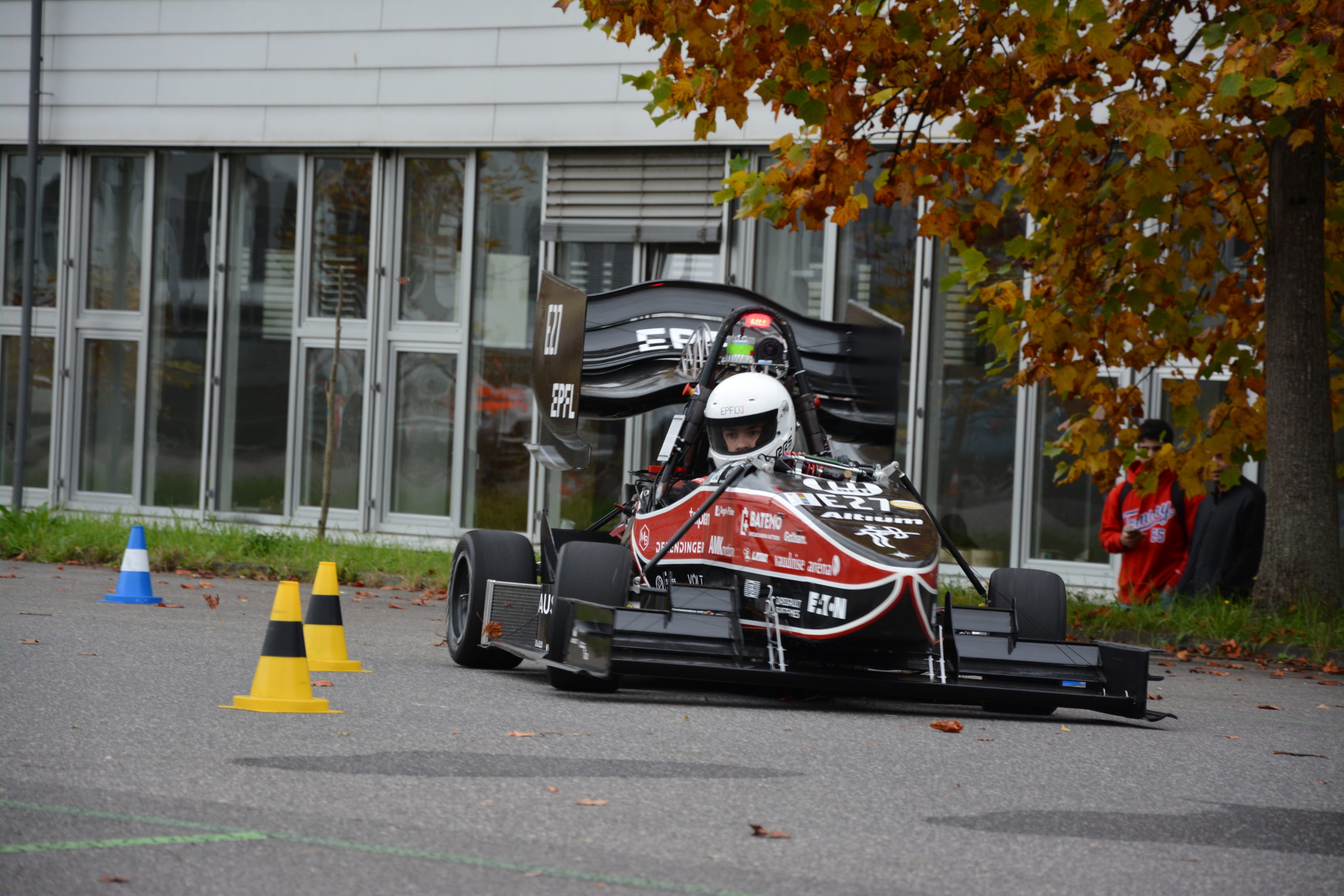
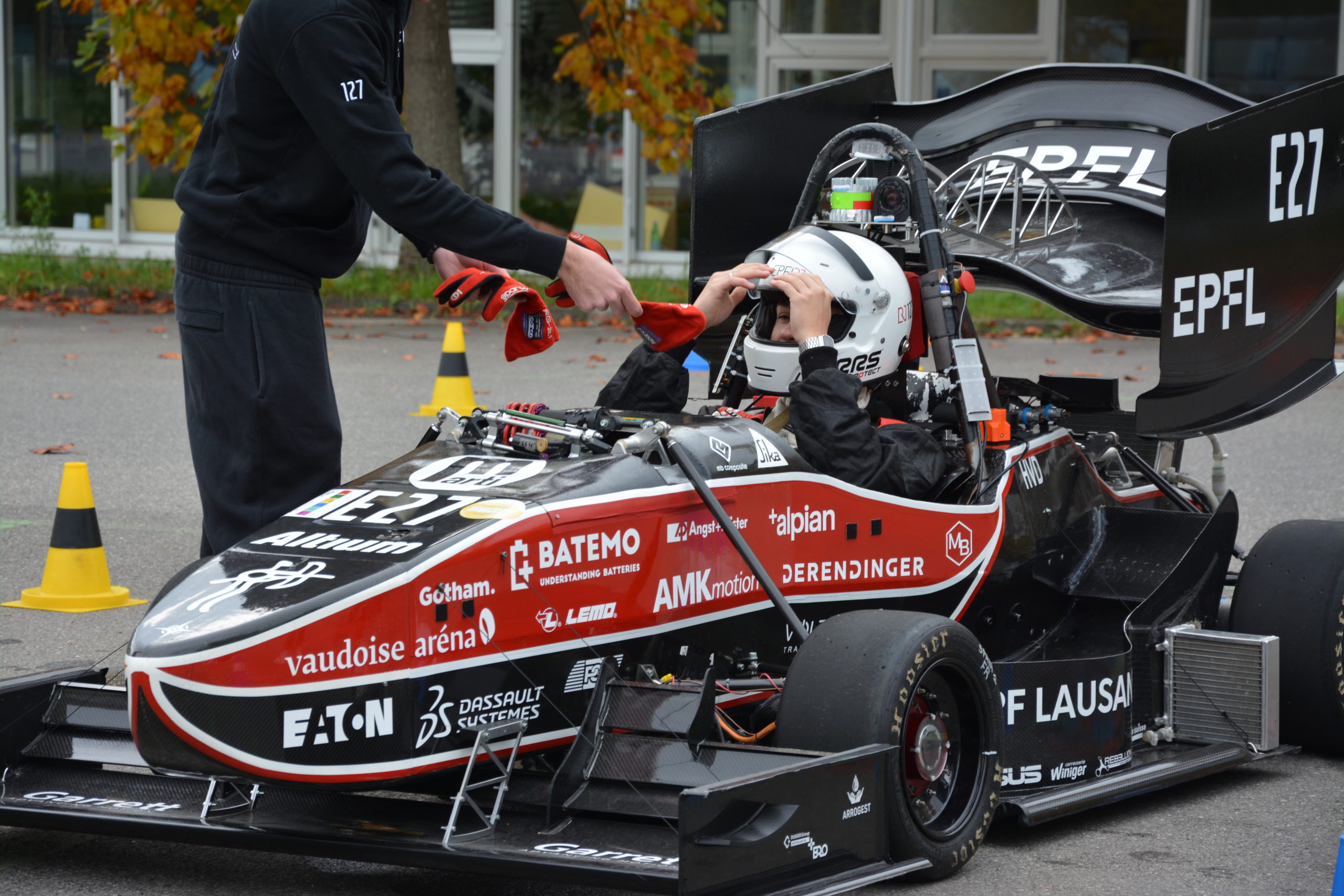
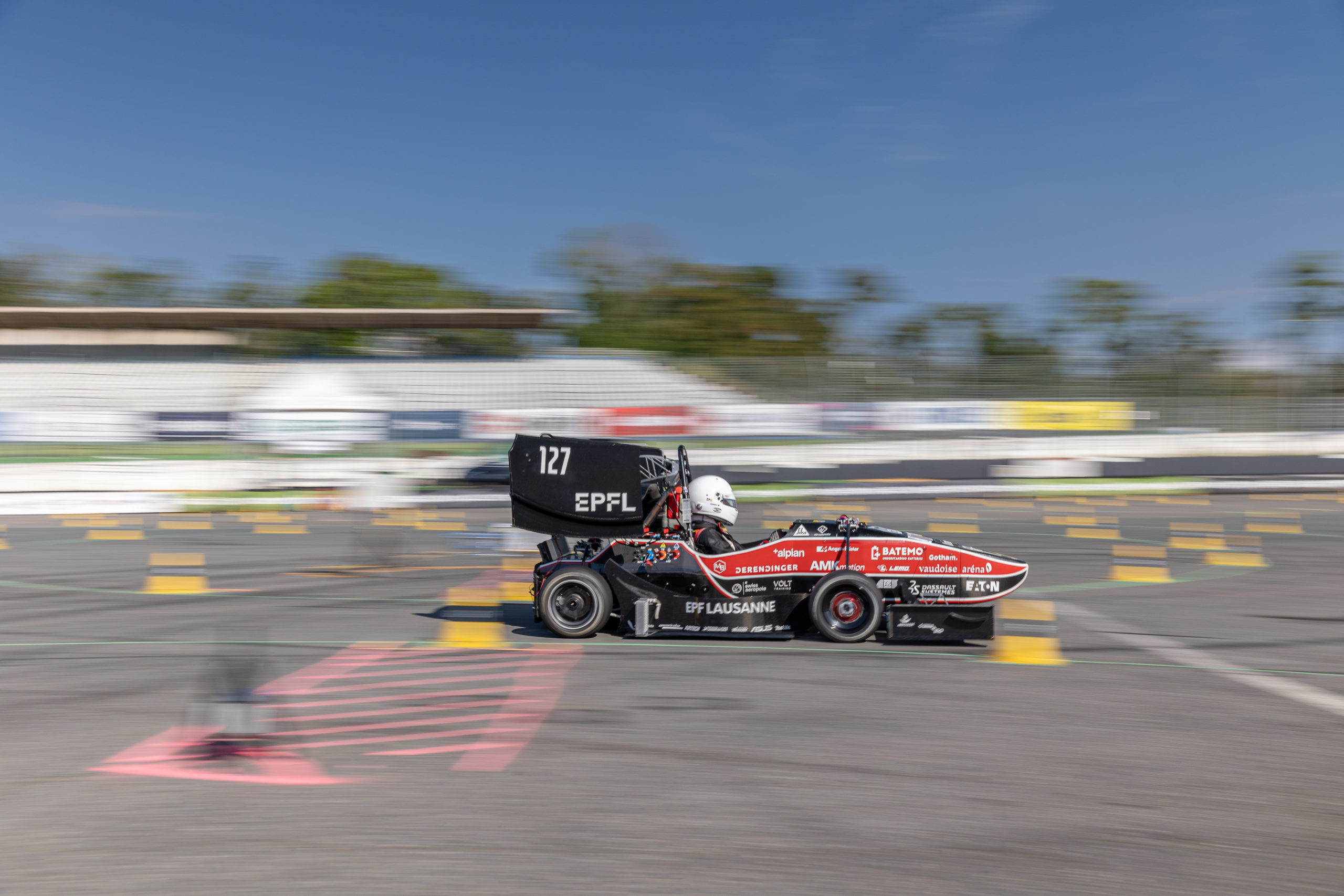
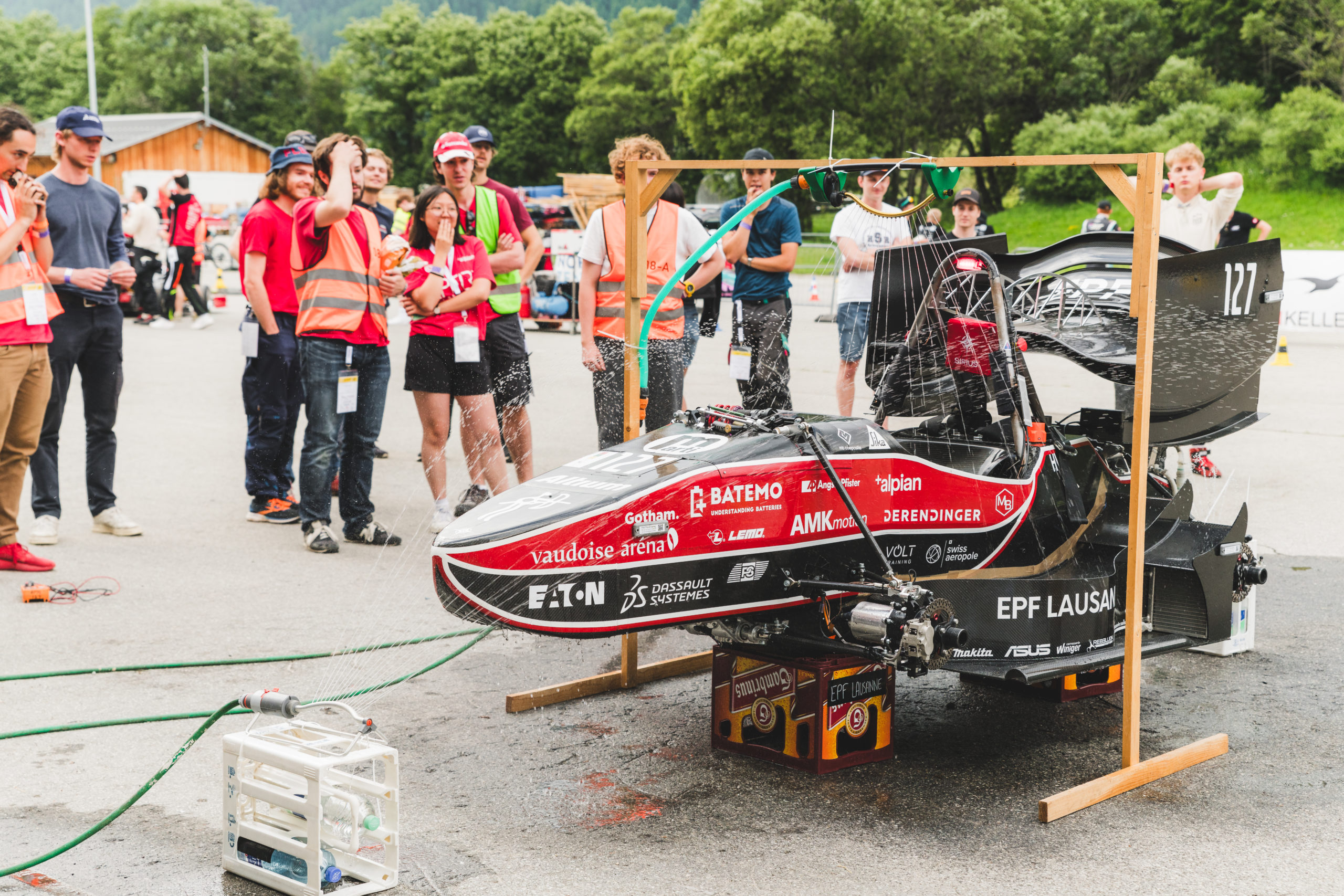
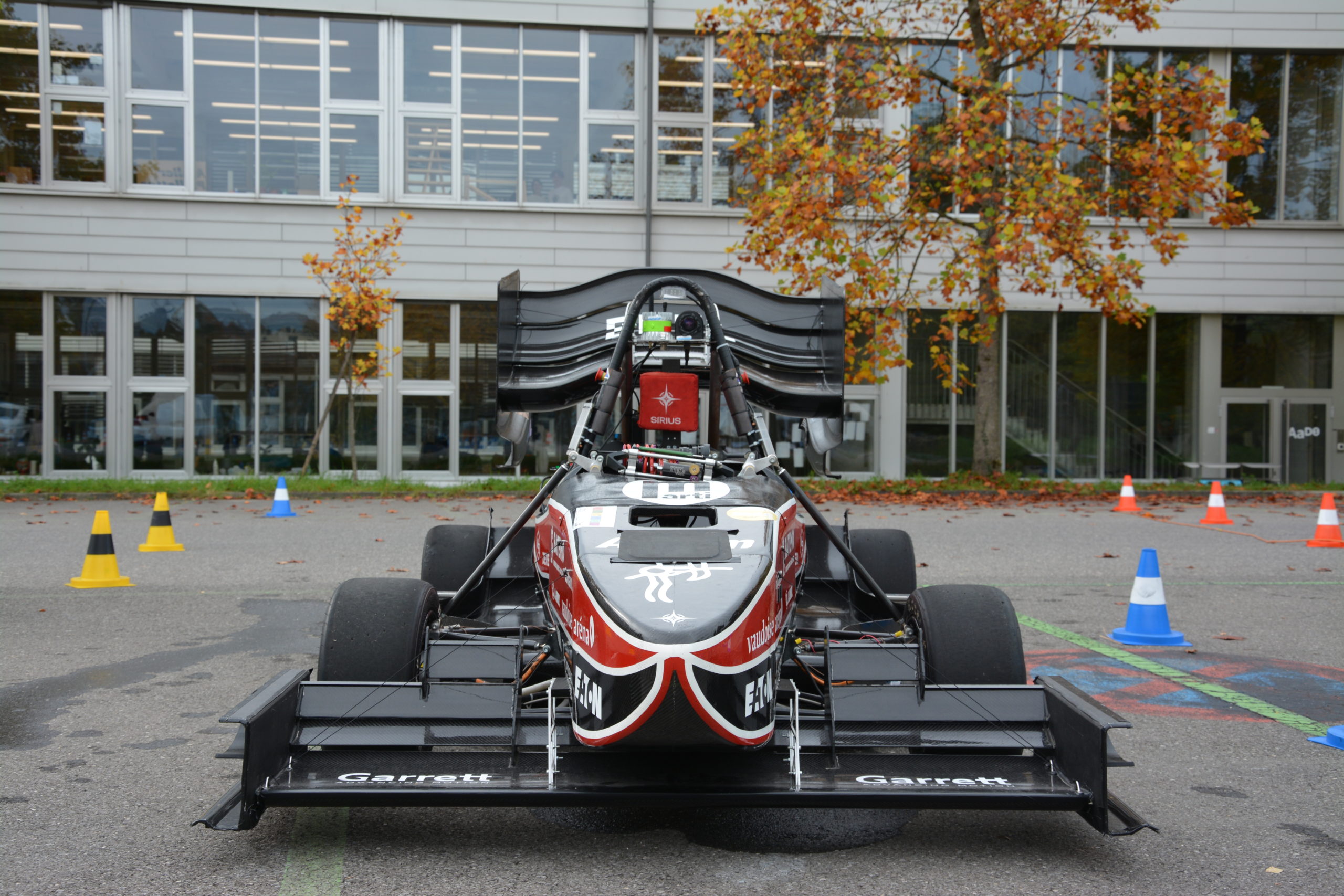
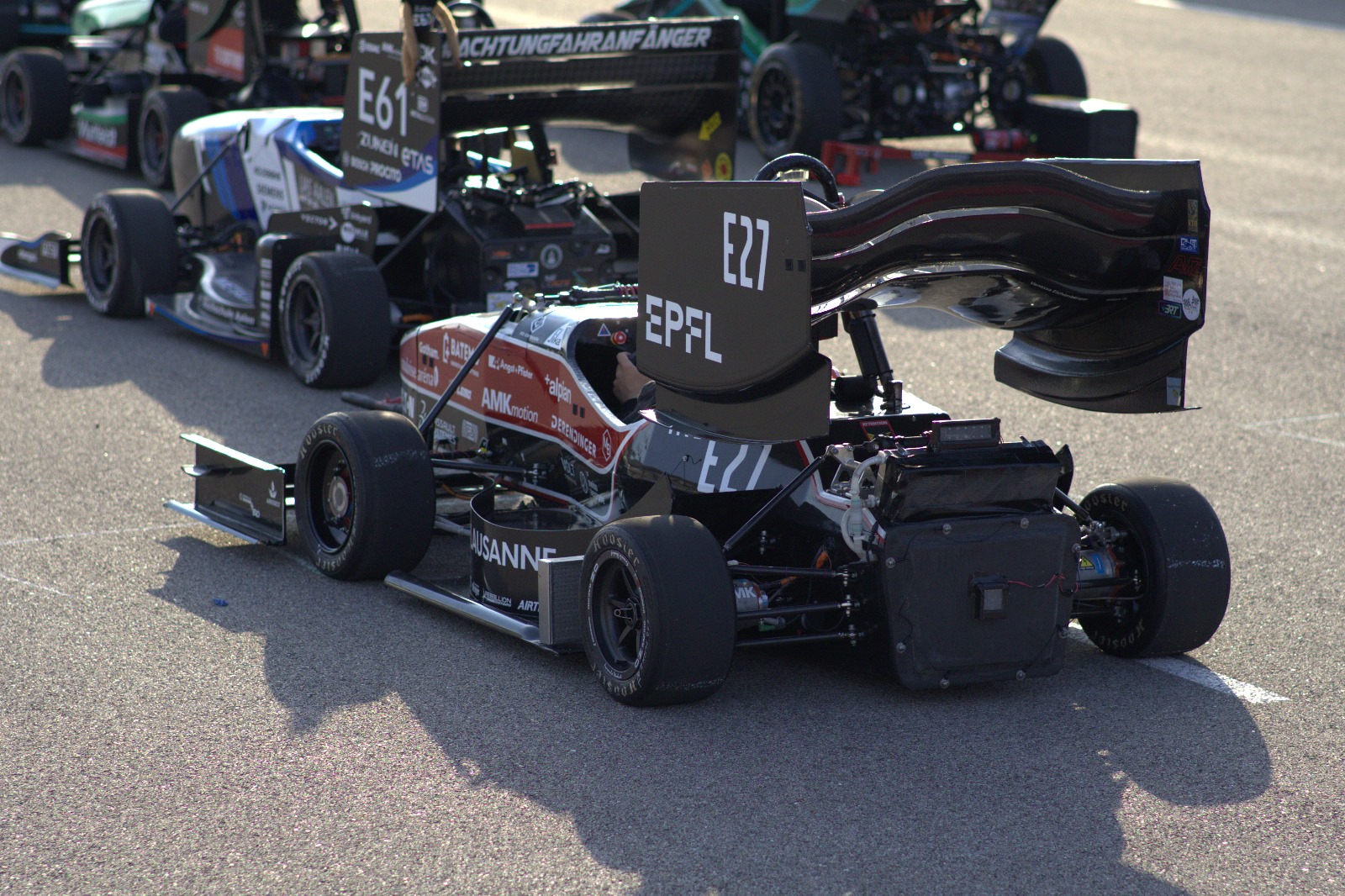
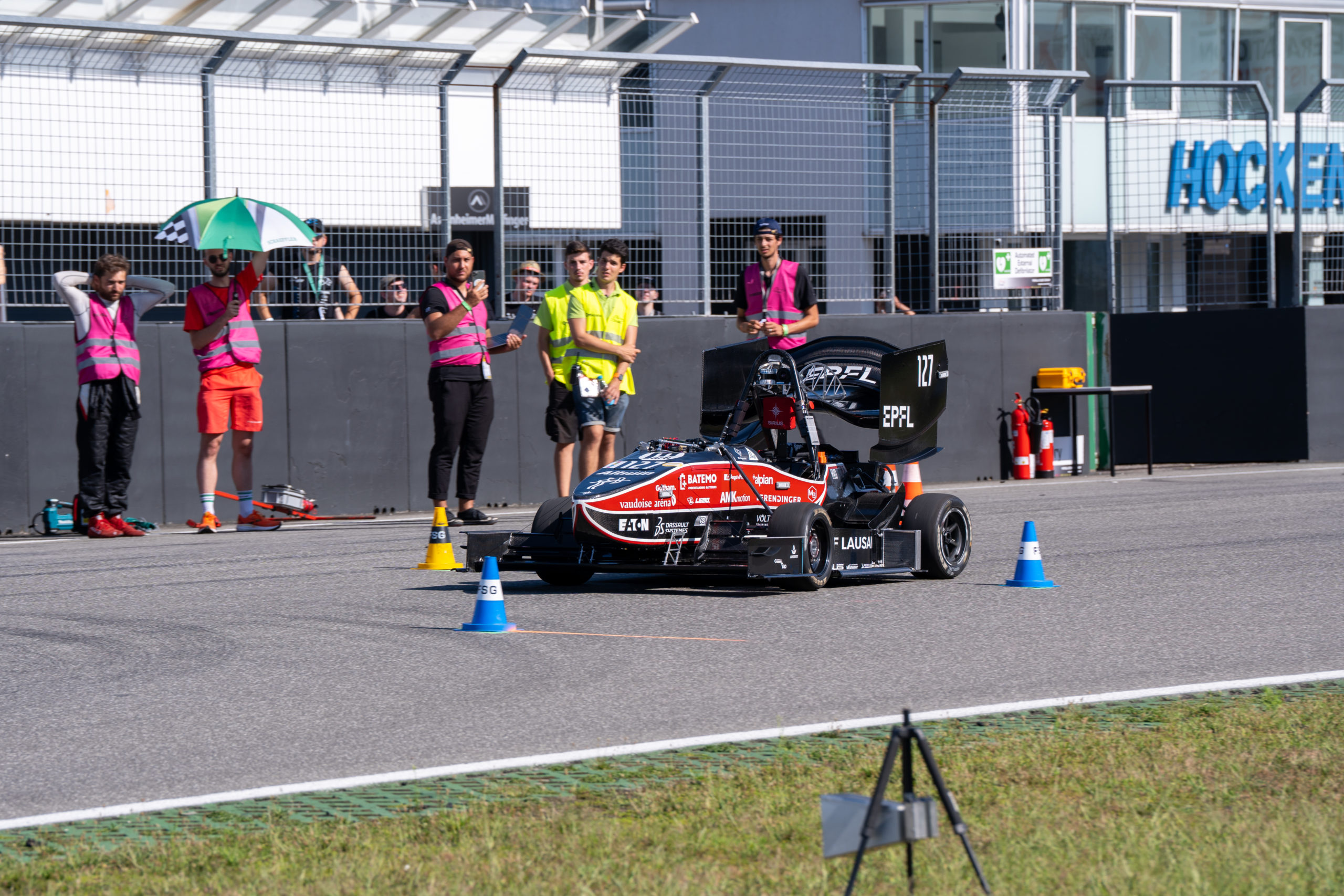
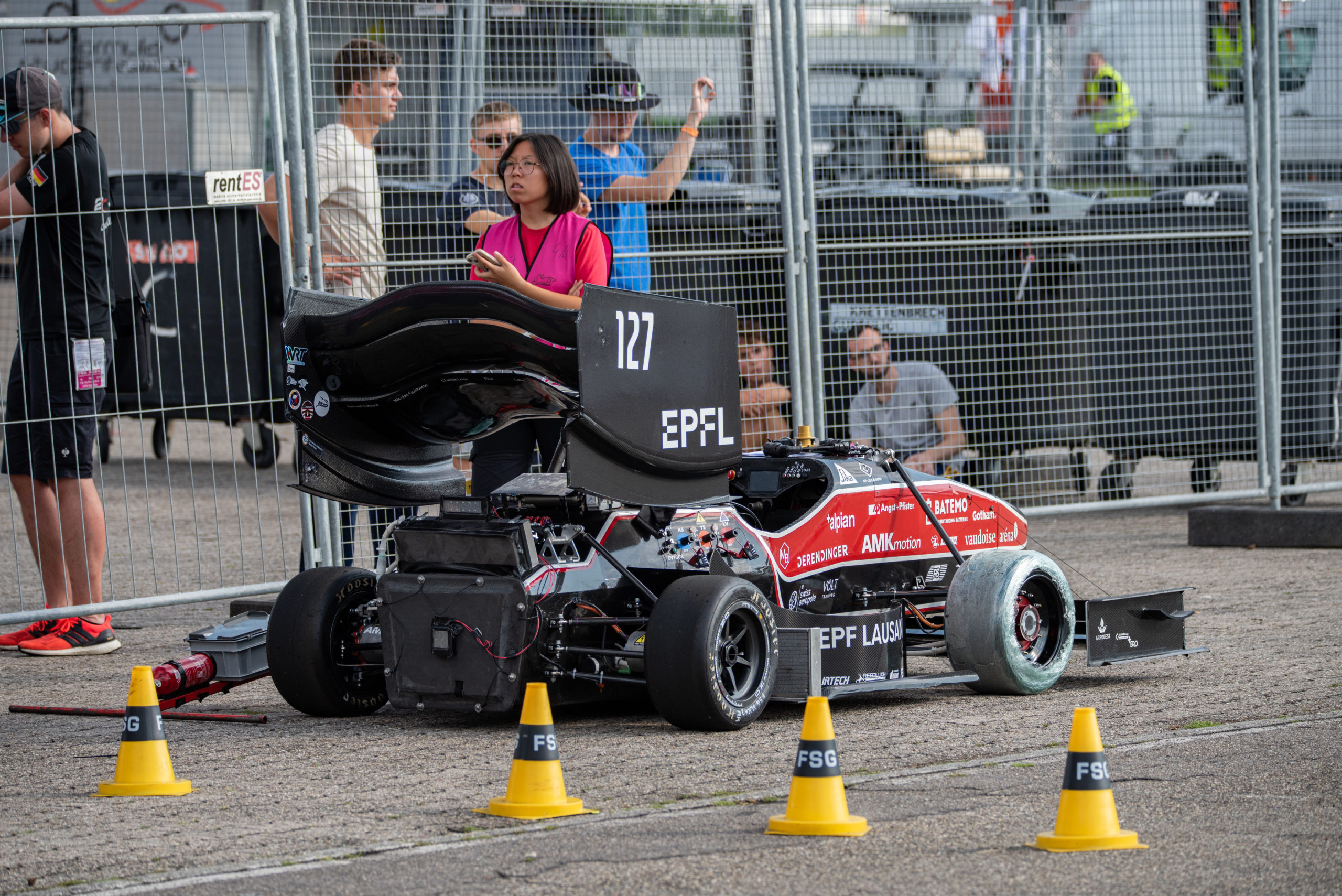
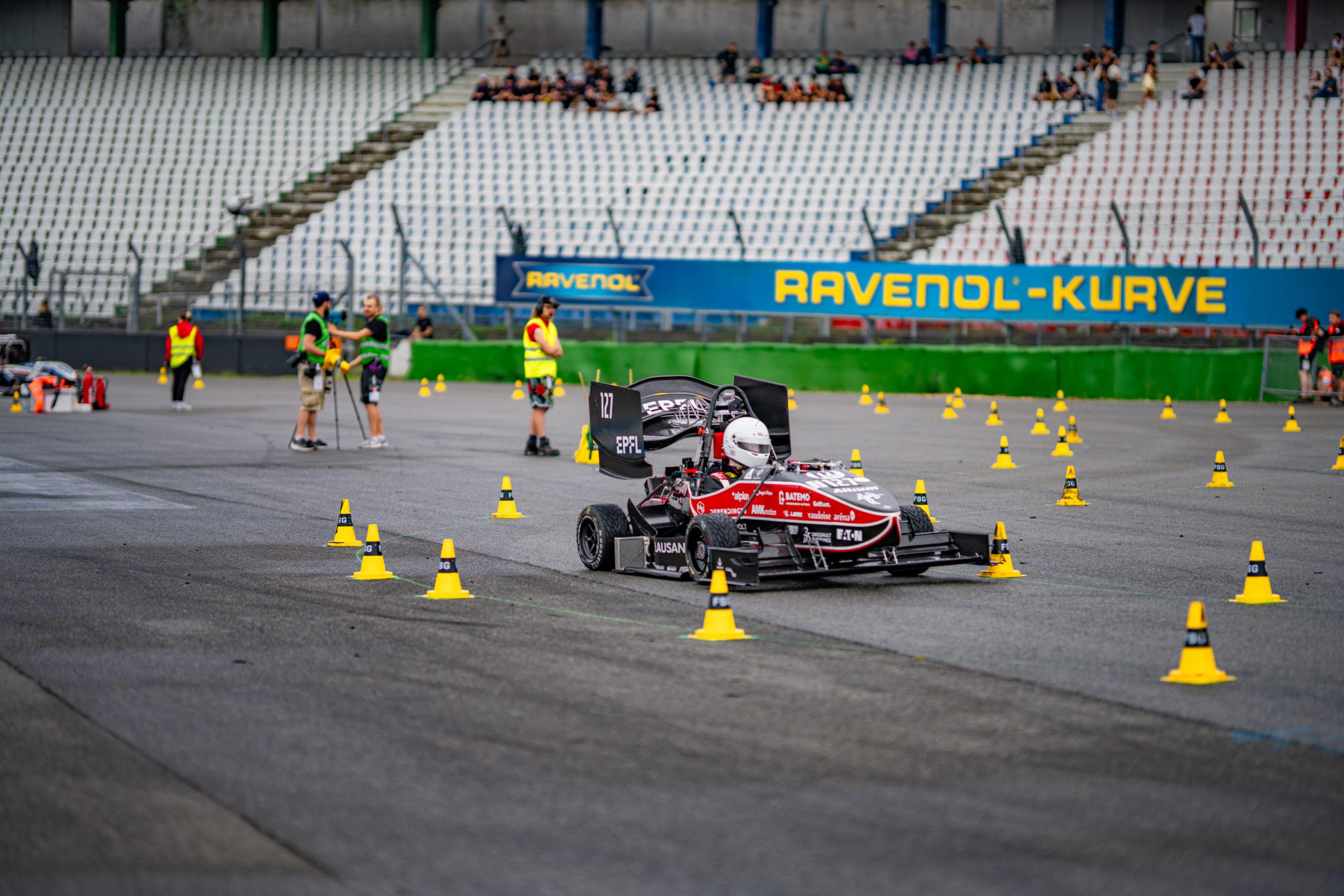
COMPETITIONS WITH Sirius
FS SWITZERLAND
1st place – Driverless Design
1st place – Glencore Battery
Sustainibility Award
FS France
1st place – Acceleration
1st place – Efficiency
2nd place – Design
2nd place – Business plan
3rd place – Overall classification
3rd place – Cost & Manufacturing
FS Czech
3rd place – Driverless Design
FS Germany
Beaucoup d’apprentissage et de belles expériences mais malheureusement pas de podium cette fois-là.
Thanks to Sirius partners!
DOn’t forget to stay tuned!
We regularly update our social media. You will never miss an event!
How can you become our partner
Send us an email at epfl-racing-team@epfl.ch or call us at +41 77 489 99 07.
For further information click here.
FACT SHEET Sirius
DIMENSIONS AND MASS
Wheelbase : 1530 mm
F/R Track : 1240 mm
Ready to Race mass : 243kg (excluding driver) Weight Distribution : 50/50 (including 70kg driver)
MECHANICS
Suspension : Pushrod actuated Heave-Roll decoupling system, with 5 way adjustable dampers
Transmission : 4 x Outboard two stage planetary gearbox
Gear Ratio : 13.1667
Max Speed : 115km/h
Rims : Keizer 10’’ FSAE 12 Bolt Shell, Aluminum Tyres : 16×7.5-R10 Hoosier R20 Brakes Front : AP Racing CP4227 (4-piston caliper)
Brakes Rear : AP Racing CP4226 (2-piston caliper)
Chassis : Self-developed carbon fiber monocoque, 34kg with the hoops
Ergonomics : Self-developed carbon fiber steering wheel, dashboard and seat
AERODYNAMICS
Package : 80 self-developed carbon fiber parts (infusion based).
Frontal Area : CL : 2.8 | CD : 0.97 | 220 kg of downforce at 100km/h
AUTONOMOUS SYSTEMS
Braking : 10 Bar emergency braking system with two master cylinders
Steering : Actuated via motor directly into self-developed dual entry steering rack
Vision : LiDAR and Camera
Control : Stanely/MPC
ELECTRONICS
Max Power : 80kW (competition spec)
Motors : 4 x AMK hub motors 10 pole permanent synchronous 26kW/21Nm
VSI : 4 x AMK KW26-S5-FSE 8kHz hard switching IGBT inverters
Battery : 9.3kWh with 576 Molicel P45B cylindrical cells
BMS : Self Developed
Driving modes : 12 Stage power management system, switchable Traction Control and Torque Vectoring
Dash : Self developed tactile dashboard with sensor/shutdown/driving mode information Connectors : LEMO connectors
Code and Hardware : Labview running on a SBrio 9627 667 MHz CPU, 512 MB DRAM, 512 MB memory Communication : 2 CAN Buses, 1 ETH Network